
Smartphone cameras have reached a level of sophistication where meaningful comparisons require more than reading spec sheets. A 200MP sensor is irrelevant if the image processing produces over-sharpened results that look artificial. A 10x optical zoom is worthless if the stabilisation cannot compensate for handheld shake. In 2026 the best camera phones are distinguished not by their hardware alone but by the sophisticated interplay of sensor, lens, and computational photography. We tested 12 flagship devices over six weeks to find the phones that actually take the best photos – in real conditions, not lab shots.
How We Tested
Every phone in this guide was tested across four shooting scenarios: bright daylight, overcast natural light, low-light indoor, and night street photography. We evaluated main camera, ultrawide, and zoom performance separately, with portrait mode and selfie camera tested additionally. Video was assessed at 4K 30fps and 4K 60fps for stabilisation and dynamic range. All test images were shot simultaneously from the same position to ensure fair comparisons.
1. iPhone 16 Pro Max – Best Overall Camera Phone
Apple’s iPhone 16 Pro Max takes the top position because it is the most consistently excellent camera across every shooting condition we tested. The 48MP main sensor with second-generation sensor-shift optical image stabilisation produces images with natural colour reproduction, accurate skin tones, and exceptional dynamic range that preserves highlight and shadow detail in challenging lighting. The 48MP ultrawide is the best ultrawide camera on any smartphone – the edge sharpness and colour matching with the main sensor are significantly better than any Android competitor.
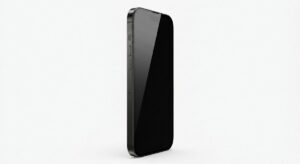
The iPhone 16 Pro Max is Apple's most complete smartphone, combining unrivalled chip performance with the best camera system in the business. For those who can ...
The 5x tetraprism telephoto produces sharp, usable images at optical zoom and remains competitive up to 10-12x with the help of Apple’s image processing. At 25x digital zoom the results are softer than Samsung’s dedicated hardware, but the iPhone’s processing avoids the artificial sharpening artifacts that plague other devices at extreme zoom. Where the iPhone 16 Pro Max is categorically ahead is video: Cinematic Mode now supports 4K 120fps slow motion with Dolby Vision, and the Log video format for professional post-production gives filmmakers footage that traditional cameras capture. No Android phone matches the iPhone’s video capability in 2026.
Apple Intelligence camera features – Clean Up (Magic Eraser equivalent), Depth Effect improvements, and the improved Photographic Styles – have matured into genuinely useful tools. The processing speed is also notable: the A18 Pro chip handles computational photography tasks in real time that would require post-processing on most Android devices.
2. Samsung Galaxy S25 Ultra – Best Zoom and Versatility
The Galaxy S25 Ultra’s defining strength is its zoom system. The combination of a 200MP main sensor, 50MP 5x optical telephoto, and 10MP 3x optical telephoto gives you optical zoom at multiple focal lengths – something no other phone offers. At 10x the S25 Ultra produces images that decisively beat every competitor, and the AI-enhanced zoom stabilisation at 30x delivers results that border on the miraculous. Night Astrophotography mode captures star trails and Milky Way detail that requires a dedicated camera and tripod from any other device.
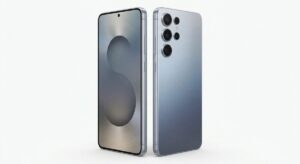
The S25 Ultra is Samsung's finest ever flagship - a camera-first powerhouse with a brilliant display and the Snapdragon 8 Elite's unbeatable performance. The S ...
The 200MP main camera requires careful handling: in automatic mode Samsung’s image processing applies aggressive noise reduction and sharpening that can look artificial on close inspection, particularly in portrait shots. Shooting in Pro mode with RAW output bypasses these issues entirely and delivers files with extraordinary detail. The 12MP front camera is also improved, with better skin tone rendering and a more natural portrait mode than previous Ultra models.
Galaxy AI features are the most comprehensive AI camera suite on Android: Object Erase removes subjects with convincing results, Generative Edit fills gaps believably, and Instant Slow-Mo creates smooth slow-motion from regular 30fps video using AI interpolation. The S Pen stylus enables precise manual editing directly on photos without transferring to a desktop application.
3. Google Pixel 9 Pro – Best Computational Photography
Google’s approach to photography is philosophically different from Apple and Samsung. Rather than competing on sensor specifications, Google competes on intelligence – using the Tensor G4 chip to process images in ways that extract more information from the incoming light than the hardware alone would suggest possible. The results speak for themselves: the Pixel 9 Pro’s Night Sight is still the best low-light smartphone photography available, producing bright, detailed, natural-looking images in conditions where other phones produce noisy or blurry results.
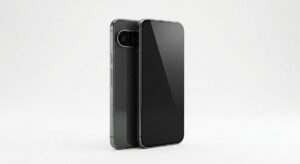
The Pixel 9 Pro is the compact camera phone champion. Everything Google does with AI and photography is here in a more manageable 6.3-inch form factor that's ea...
Best Take analyses a burst of photos during group shots and lets you swap in the best expression for each individual – a feature that sounds gimmicky but becomes indispensable once you have used it for family photos. Magic Eraser has improved again, now handling complex backgrounds convincingly. Video Boost – available on the Pro model – processes video through Google’s data centres post-capture to produce quality that rivals dedicated video cameras in dynamic range and stabilisation.
The hardware – 50MP main, 48MP ultrawide, 48MP 5x telephoto – is strong but not class-leading. What matters is that Google extracts more from its sensors than the numbers suggest. The selfie camera is the best on any smartphone in our testing, with accurate skin tones, reliable face detection in challenging light, and natural portrait blur that avoids the artificial-looking edge separation that plagues other manufacturers.
4. Xiaomi 14 Ultra – Best for Photography Enthusiasts
The Xiaomi 14 Ultra is not the phone for everyone, but for photographers who take mobile imaging seriously it is the most capable hardware available. Developed in collaboration with Leica, its defining feature is a 1-inch type Sony LYT-900 sensor – significantly larger than the sensors in competing flagships. A larger sensor captures more light, which translates to cleaner low-light images, better dynamic range, and shallower depth of field that produces a more natural bokeh effect in portrait shots.
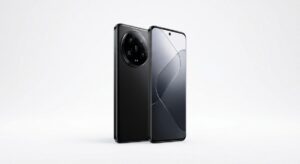
The Xiaomi 14 Ultra is arguably the most impressive camera hardware of any smartphone. Four 50MP Leica-tuned cameras including two periscope telephotos cover ev...
Four camera lenses ranging from 12mm ultrawide to 120mm telephoto give you a focal length for every situation. The Leica colour science produces images with a distinctive character – richer shadows, smoother highlight rolloff, more film-like skin tones – that many photographers prefer to the clinical accuracy of Apple and Samsung. A physical aperture dial on the phone itself allows you to adjust between f/1.63 and f/4.0 optically, not digitally. Shooting RAW on the Xiaomi 14 Ultra and processing in Lightroom produces results that compare favourably to entry-level mirrorless cameras.
Camera Buying Guide: What Actually Matters
- Sensor size matters more than megapixels: A 50MP 1-inch sensor captures more detail in low light than a 200MP 1/1.5-inch sensor. Bigger is better when it comes to sensor physical dimensions.
- Optical zoom vs digital zoom: Optical zoom uses a dedicated telephoto lens and preserves full image quality. Digital zoom is software cropping and loses detail progressively. Only count optical zoom in your assessment.
- Video stabilisation: Check whether the phone uses optical image stabilisation (OIS), electronic image stabilisation (EIS), or both. OIS is hardware-based and more effective. The best phones combine both.
- Selfie camera aperture: For portrait selfies, a wider aperture (f/1.9 or below) produces better background blur and performs better in low light.
- Consistent across all cameras: Many phones have an excellent main camera but poor ultrawide and selfie cameras. Look for reviews that evaluate all lenses, not just the main sensor.
Verdict
The best camera phone of 2026 depends entirely on what you photograph. For the best video, choose iPhone 16 Pro Max. For the best zoom, choose Galaxy S25 Ultra. For the best low-light and AI processing, choose Pixel 9 Pro. For the most photographic capability and Leica aesthetics, choose Xiaomi 14 Ultra. All four are extraordinary by any previous standard of mobile photography.
The Vivo X100 Ultra combines Zeiss optics with 100W charging and a massive battery to create a compelling flagship. Global availability remains the key limitati...