
Big is not always better. While the average smartphone screen has crept past 6.5 inches, a vocal and growing segment of buyers wants something they can actually use one-handed, slip into a jeans pocket, and hold comfortably through a long phone call. The good news is that 2026 offers genuinely excellent options in the compact tier – phones that have shed screen size without shedding capability. Here is our definitive guide to the best small smartphones you can buy right now.
What Counts as a Small Phone in 2026?
The definition has shifted. A 6.0-inch phone that would have been considered large in 2019 now qualifies as compact in a market where 6.7 and 6.8 inch devices dominate. For this guide we have drawn the line at 6.1 inches or below – but we have also factored in physical width, since a narrow 21:9 display can feel dramatically more manageable than a wider 6.0-inch screen. Weight matters too: anything above 200g starts to feel substantial in a compact form factor.
1. iPhone 16 – The Best Compact Phone You Can Buy
The iPhone 16 sits at 6.1 inches but Apple’s aggressive bezel reduction means it feels closer to a 5.8-inch device from three years ago. In hand it is immediately comfortable – narrow enough to reach the opposite edge one-handed, light enough at 170g to forget you are carrying it. The A18 chip is overkill for most tasks, processing everything from casual photography to local AI features without breaking a sweat. Apple Intelligence features – writing tools, image generation, and the improved Siri – are the most polished AI implementation on any smartphone in 2026.
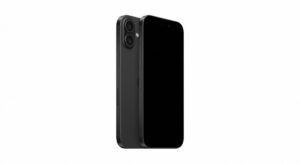
The iPhone 16 brings flagship-class performance to a more accessible price. Camera limitations aside, it punches above its weight and offers several years of so...
The camera system is the biggest upgrade over the iPhone 15. The 48MP main sensor with second-generation sensor-shift stabilisation produces clean, detailed images in all lighting conditions. The 12MP ultrawide doubles as a macro camera. Where the iPhone 16 pulls ahead of Android competitors in the compact tier is video: 4K 60fps with Dolby Vision is cinema-grade quality from a phone that fits in a shirt pocket. Battery life has improved by roughly 20% over its predecessor, comfortably lasting a full day of heavy use.
Who it is for: Anyone in the Apple ecosystem who does not want to carry a large device. Also the default recommendation for anyone switching from iPhone who values consistency.
2. Google Pixel 9 – Best Compact Android
Google’s Pixel 9 measures 6.0 inches and 198g – barely crossing our weight threshold, but it carries itself well thanks to a balanced design that avoids feeling top-heavy. The flat display edges and matte glass back make it comfortable to grip for extended periods. Tensor G4 chip performance is competitive with last year’s Snapdragon flagships, and for the tasks that define daily smartphone use – photography, AI processing, voice recognition – it is genuinely class-leading.
The camera is where Pixel continues to earn its reputation. The 50MP main sensor with optical image stabilisation produces exceptional results, but the real magic is computational: Magic Eraser removes unwanted subjects convincingly, Best Take picks the best expression from a burst of group shots, and Night Sight in 2026 is the best low-light smartphone photography available on any device at any price. The 10.5MP ultrawide camera has also been significantly improved, with better edge sharpness and more accurate colour reproduction.
Seven years of guaranteed Android OS and security updates is an unmatched commitment in the Android space. A Pixel 9 bought today will receive updates through 2031. For anyone who holds onto phones for three or four years, this makes the value proposition compelling.
Who it is for: Android users who want the best camera in a manageable size, and anyone who values long software support over brand prestige.
3. Sony Xperia 5 VI – Best for Media and Audio
Sony takes a different approach to compact design. The Xperia 5 VI uses a 6.1-inch 21:9 display – the same aspect ratio as a cinema screen – which makes it dramatically narrower than its screen size suggests. In portrait orientation it feels closer to a 5.8-inch device in terms of grip. The narrow form factor is ideal for one-handed use, and the tall screen excels at video content where black bars disappear entirely on 21:9 source material.
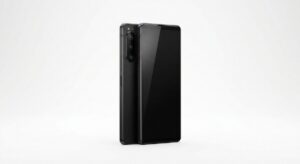
The Xperia 5 VI brings Sony's professional camera tools and unique variable telephoto to a compact 6.1-inch body. It's the choice for photographers who want pow...
Sony’s BRAVIA-calibrated display is among the best on any smartphone – wide colour gamut, excellent HDR support, and a 120Hz refresh rate that responds instantly to every touch. The 3.5mm headphone jack remains a point of differentiation: paired with proper headphones, the audio output from the Xperia 5 VI is the best available from any current smartphone. Snapdragon 8 Gen 3 performance is excellent, and the triple Zeiss-optics camera system – while not class-leading – produces consistent, reliable results.
Who it is for: Media consumers, audiophiles, and anyone who shoots a lot of video and wants a phone that fits in one hand.
4. Nothing Phone 2a – Best Compact Budget Phone
The Nothing Phone 2a at $399 is the value pick of this list. Its 6.0-inch display and 190g weight place it firmly in compact territory. The transparent back with programmable Glyph notification lights is genuinely distinctive – Nothing has built a visual identity that no other manufacturer can replicate without looking derivative. The Dimensity 7200 Pro chip handles daily tasks smoothly and powers the clean, bloatware-free Nothing OS interface that remains one of the best software experiences on a budget Android device.
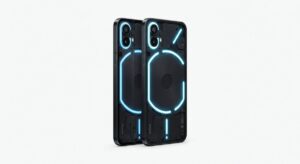
The Nothing Phone 2a is the most interesting $399 phone you can buy. The Glyph interface is genuinely distinctive and Nothing OS is refreshingly uncluttered. Ca...
Battery life is the standout achievement: the 5,000mAh cell regularly delivers a day and a half of moderate use, making charge anxiety a non-issue. The 50MP dual camera system produces solid daylight images, though it falls noticeably behind the Pixel and iPhone in low light. For $399 though, you are getting a phone that matches or beats devices costing twice as much in areas like design, software, and longevity.
Who it is for: Budget-conscious buyers who want a distinctive device without compromising on software quality or build materials.
What to Check Before You Buy
- Physical width over screen size: Always check the device dimensions, not just the screen size. A 6.0-inch 20:9 phone can be wider than a 6.1-inch 21:9 device.
- Weight distribution: Heavy cameras or batteries can create a top-heavy feel. Balance matters as much as raw weight numbers.
- One-handed mode support: Most modern Android phones and iOS offer software-based one-handed modes that shift the screen down. Check this is available before buying.
- Battery capacity: Compact phones have less physical space for batteries. Target 4,500mAh minimum to guarantee all-day battery life.
- In-display vs side fingerprint sensor: On narrower devices, a side-mounted fingerprint sensor integrated into the power button is often faster and more reliable than an in-display sensor.
Verdict
The compact phone market in 2026 is the strongest it has been in years. Apple, Google, Sony, and Nothing all offer excellent options under 6.1 inches, and none of them require you to compromise on the features that matter most. If you have been holding off on a new phone because you could not find one small enough – now is the time.